When transferring around tokens, usersoften think of “transferring tokens between wallets", which means that awallet will “receive tokens”. However, the reality is a bit more grounded andrevolves around smart contracts, particularly when we talk about ERC20 tokens.Today, we're diving into the simplest explanation of how the ERC20 contractworks, especially for the average crypto user who might not have any technicalbackground.
Before we get into the topic, let's brieflytouch on what ERC20 actually means. ERC20 stands for Ethereum Request forComment 20, and it's a standard that defines a set of rules for Ethereum tokensto follow. It ensures that different tokens on the Ethereum blockchain caninteract with each other in a predictable way. Most tokens you encounter on theEthereum network are based on this standard.
TheCore of ERC20: The Smart Contract
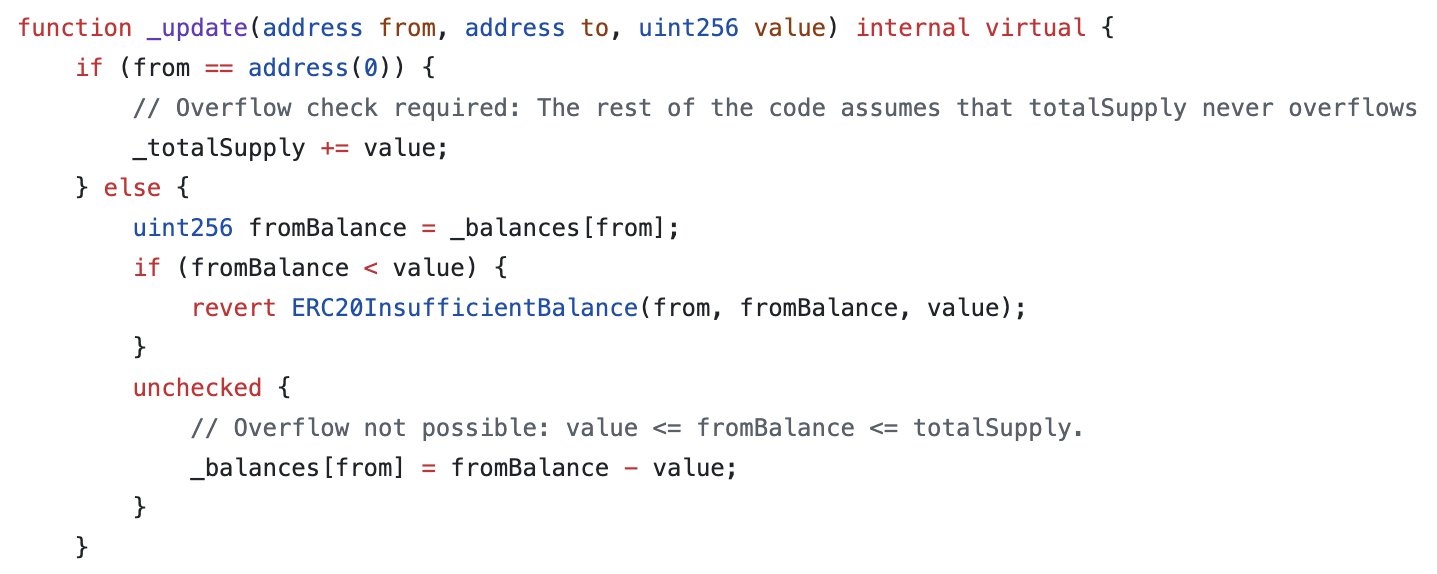
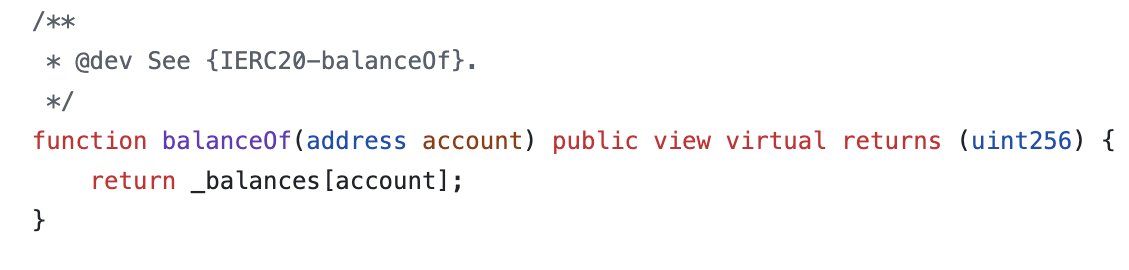
At the heart of every ERC20 token is asmart contract. Unlike the physical money in your wallet, digital tokens don'tmove from one place to another. Instead, their movement is recorded and managedby a smart contract on the blockchain. Specifically, the ERC20 standardprovides a blueprint for this smart contract, including a key piece of codethat looks something like this: